The whole of it, drawn
People at work · no portraits
About the farm
Whoever
keeps
this farm
जो दिखाई नहीं देते — पर उनका काम दिखता है
There is no publishable photograph of a single person who works on these five acres. No face, no name, no permission on file.
An about page is supposed to be about people, so this one has a problem. What we can show you is the decisions they made. Every one of them is written down and can be checked.
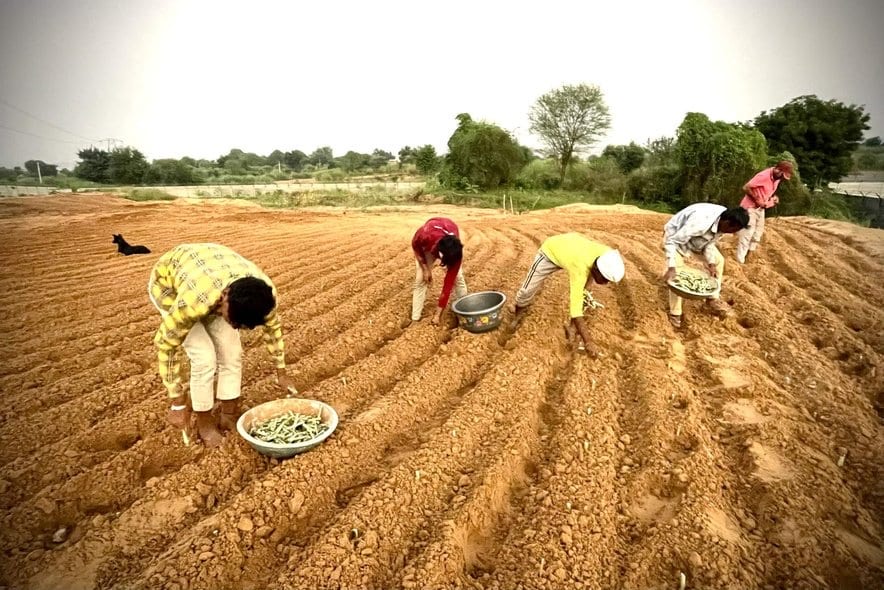
Five people sowing by hand along fresh furrows. Permission to publish photographs of the people who work here is now held. Nobody in this one is named, because naming is a separate thing to ask for.
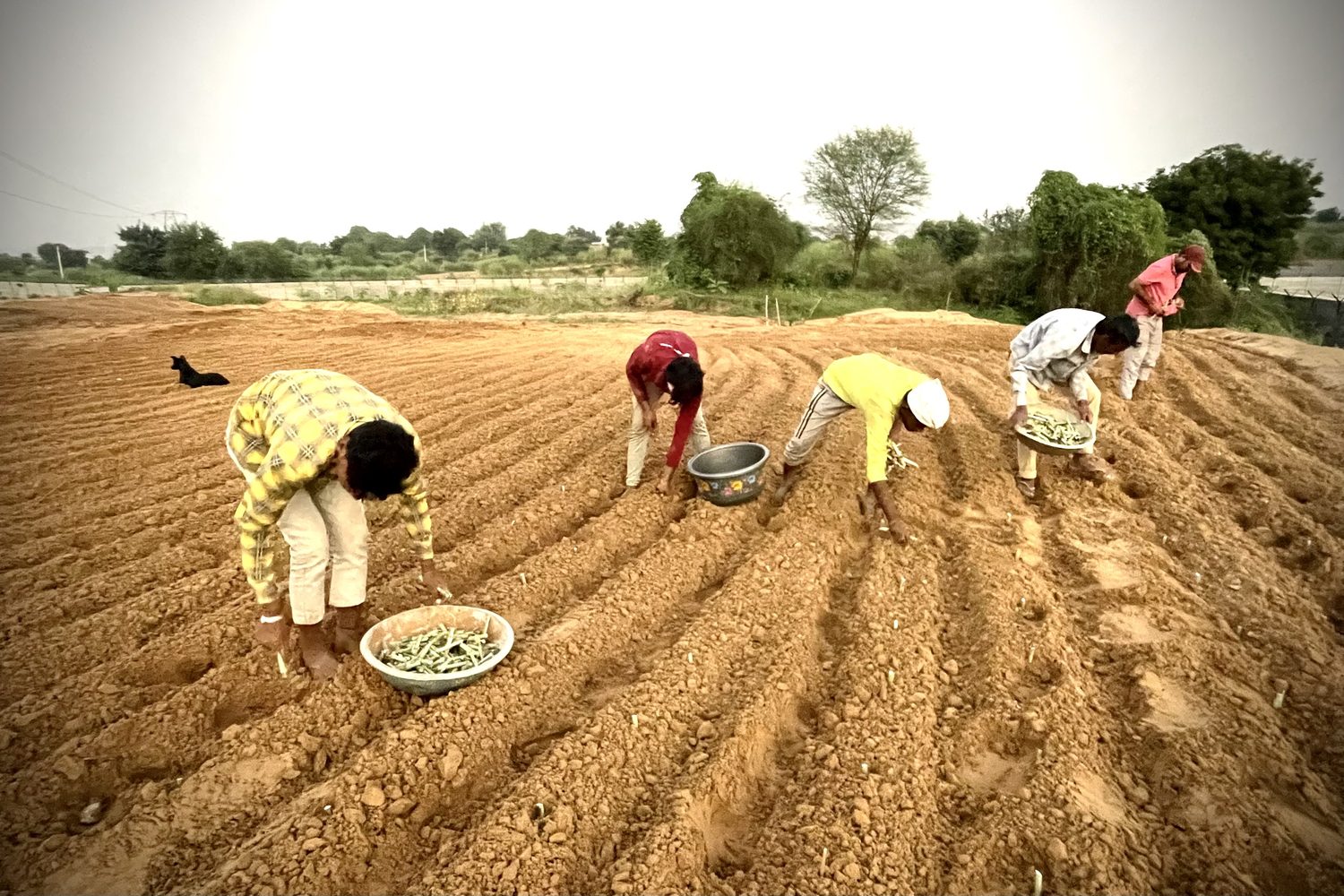
October 2026. The same job, four years later, still done bent over by hand.
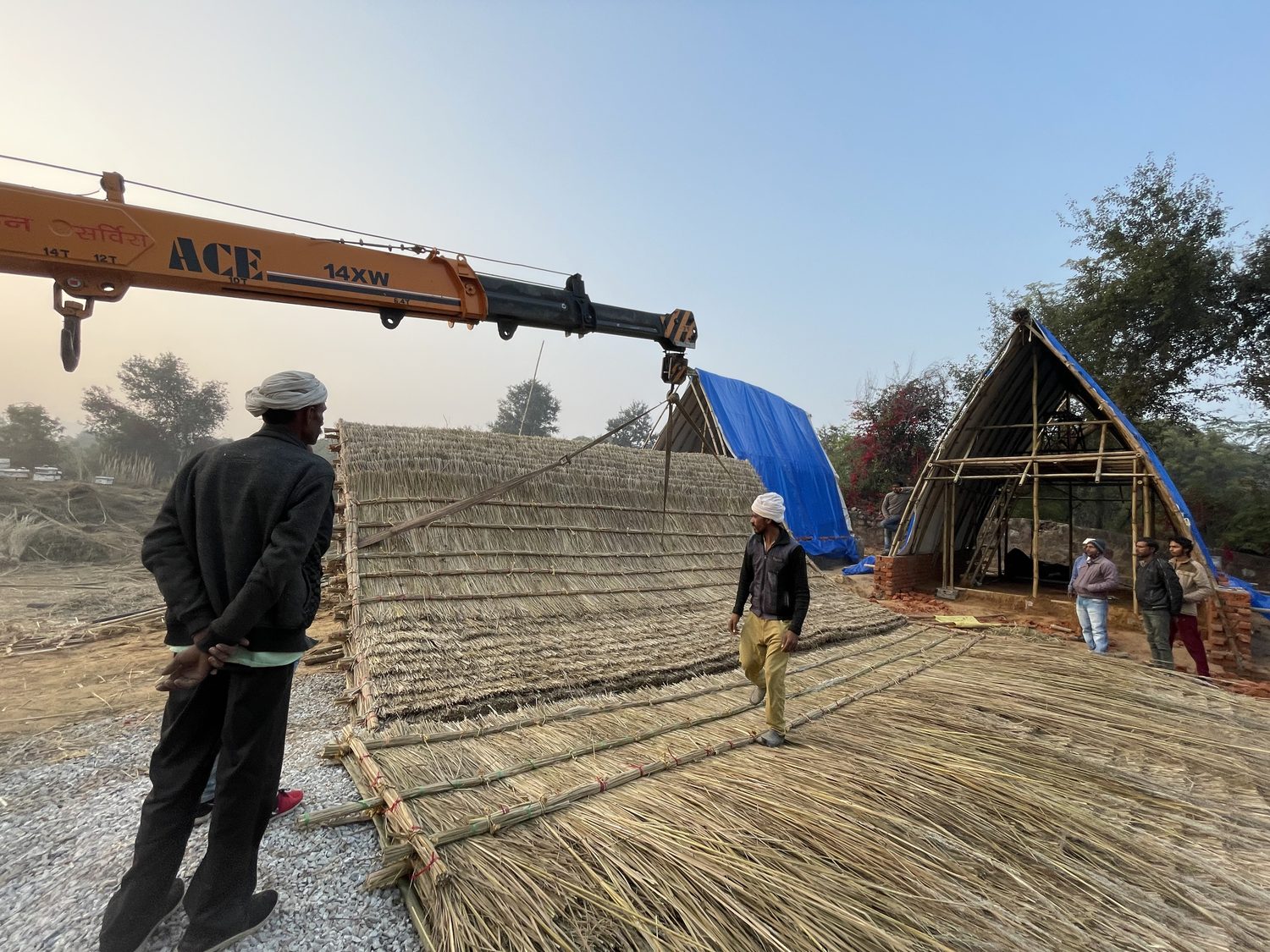
January 2022. Walking a thatch panel into position under the crane.
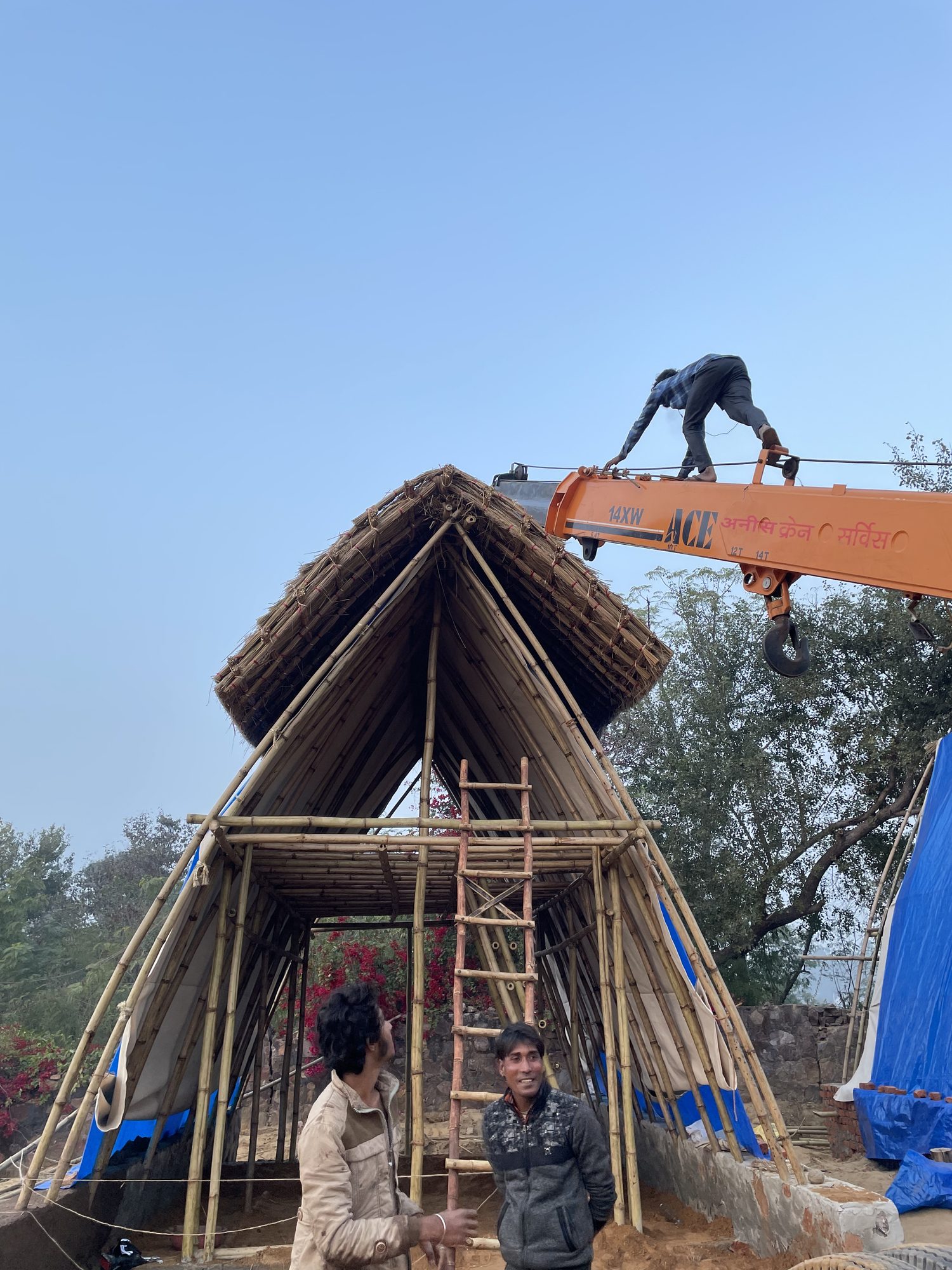
The apex, by hand. Standing on the thing he is finishing.
These are the people. What is still missing is not permission — it is a photograph of one person, doing one job, with their name under it. Nobody has been photographed that way, and nobody has been asked whether they want to be named.
Four frames · nobody in them
The portrait row
Four frames in a line, all of them empty, because nobody has sat for one. Permission is no longer what is missing; the photograph is. These are jobs, not a headcount. One person may do three of them.
No photograph
At work, in daylight, named. Permission is held; the frame is not taken.
The farm managerName not published
No photograph
Whoever walks the rows, in the rows, during the flowering window.
The orchardName not published
No photograph
Whoever keeps the bees, at the boxes in the citrus strip, veiled.
The apiaryName not published
No photograph
Whoever runs the dairy, at the hour the work actually happens.
The dairyName not published
Four cropped strangers would have been easy. A stock photograph would have been easier. Neither would have been a picture of this farm. When the permissions are signed and somebody takes the photographs, they go in here.
Written down · checkable
What you can
see instead
Four decisions. You have seen the people above, at work. What you cannot see is which of them decided what, so here are the decisions with the evidence of each.
-
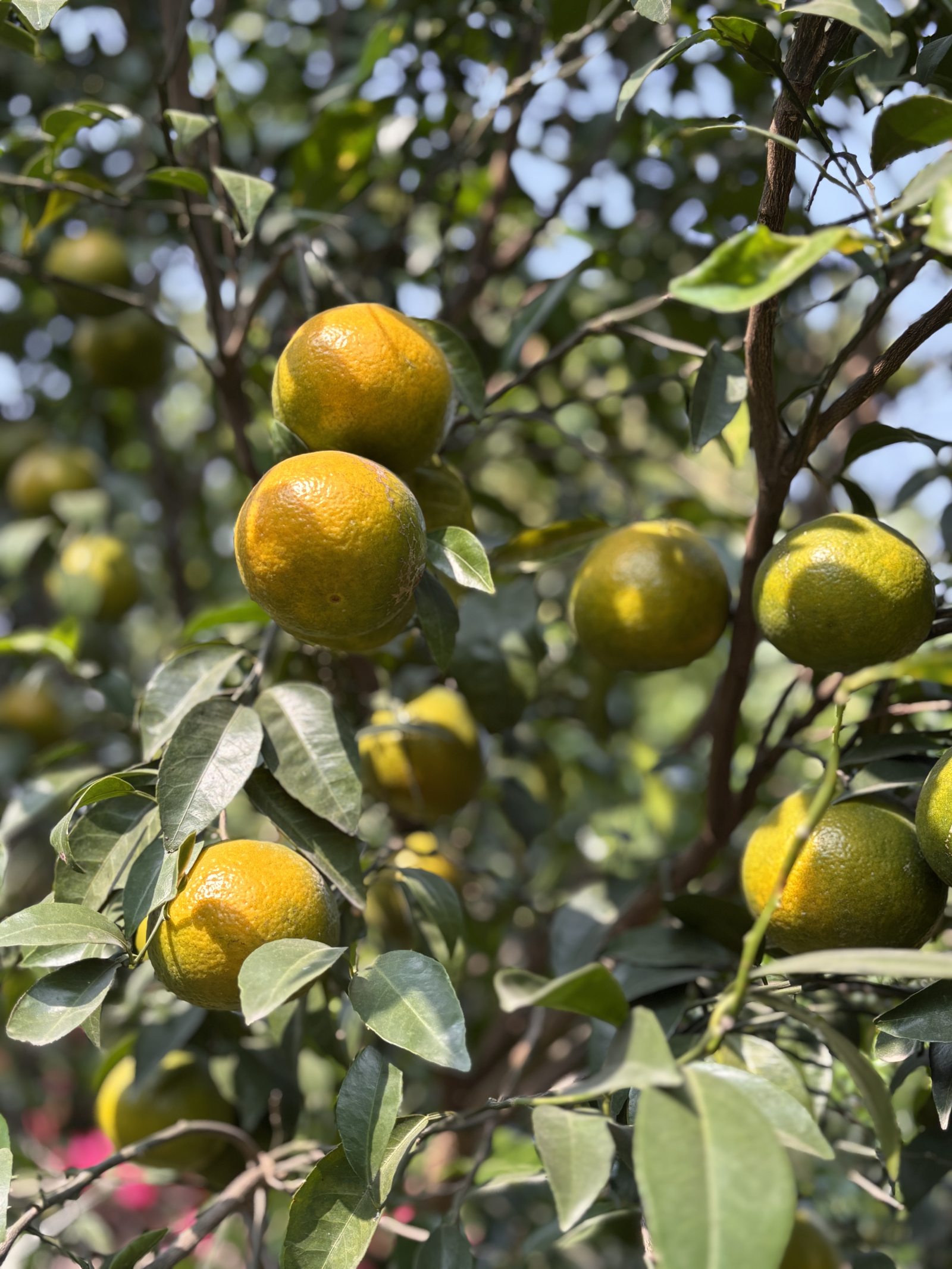
The rows that got counted. Standing fruit, not planting records.
Somebody walked the rows and counted
For years the orchard was described by the number of trees that had gone into the ground. Then somebody counted what was standing, and the number came down. A planting figure tells you what went in. A standing figure tells you what is alive. We report the standing figure.
-
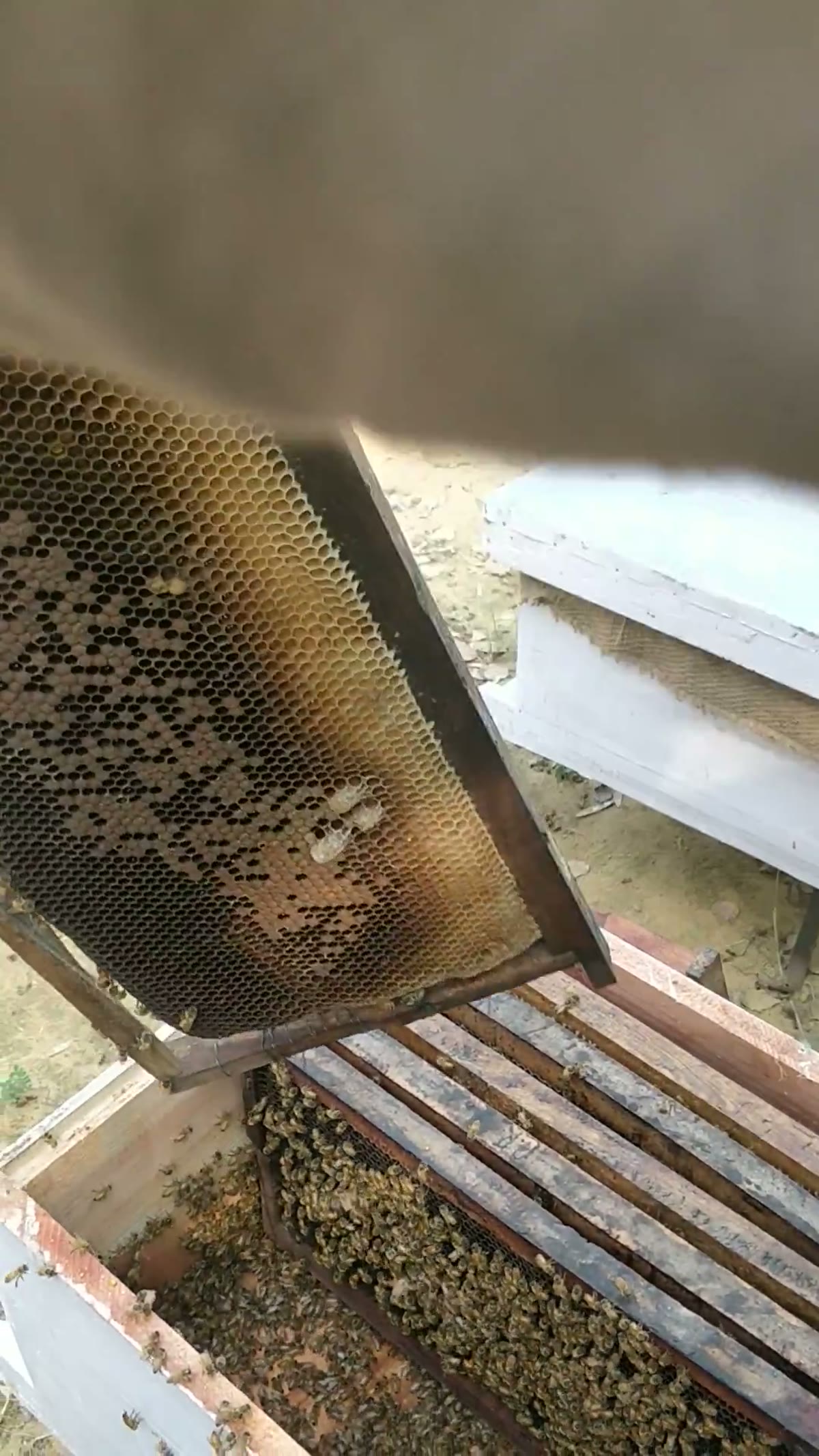
What the refusal protects. Ten colonies, inside the citrus strip.
Somebody built a system that can refuse them
Eight or nine of the eleven fruit species flower between January and April, and the apiary sits inside the citrus strip. So our own software will not clear a spray date it cannot square with the apiary record. It does not warn and proceed. It refuses, and somebody has to clear it by hand or not at all.
-
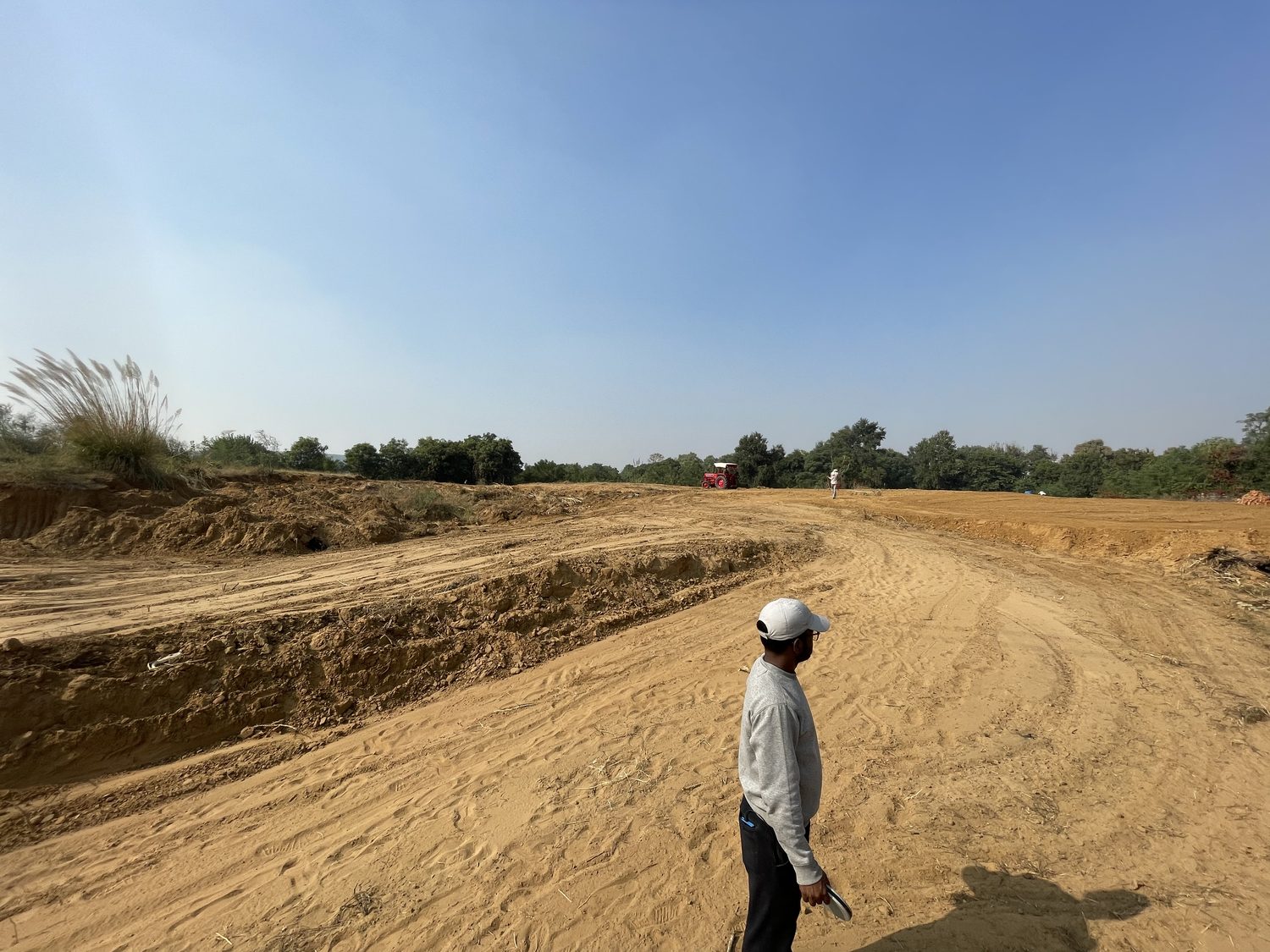
November 2021. The bank follows the fall of the land instead of crossing it.
Somebody kept the contours
The ground here was not levelled. Levelling is easier with a machine, and it is what you do when the plan matters more than the place. The contours were kept, and the nine irrigation zones off a single borewell follow them rather than fight them.
-
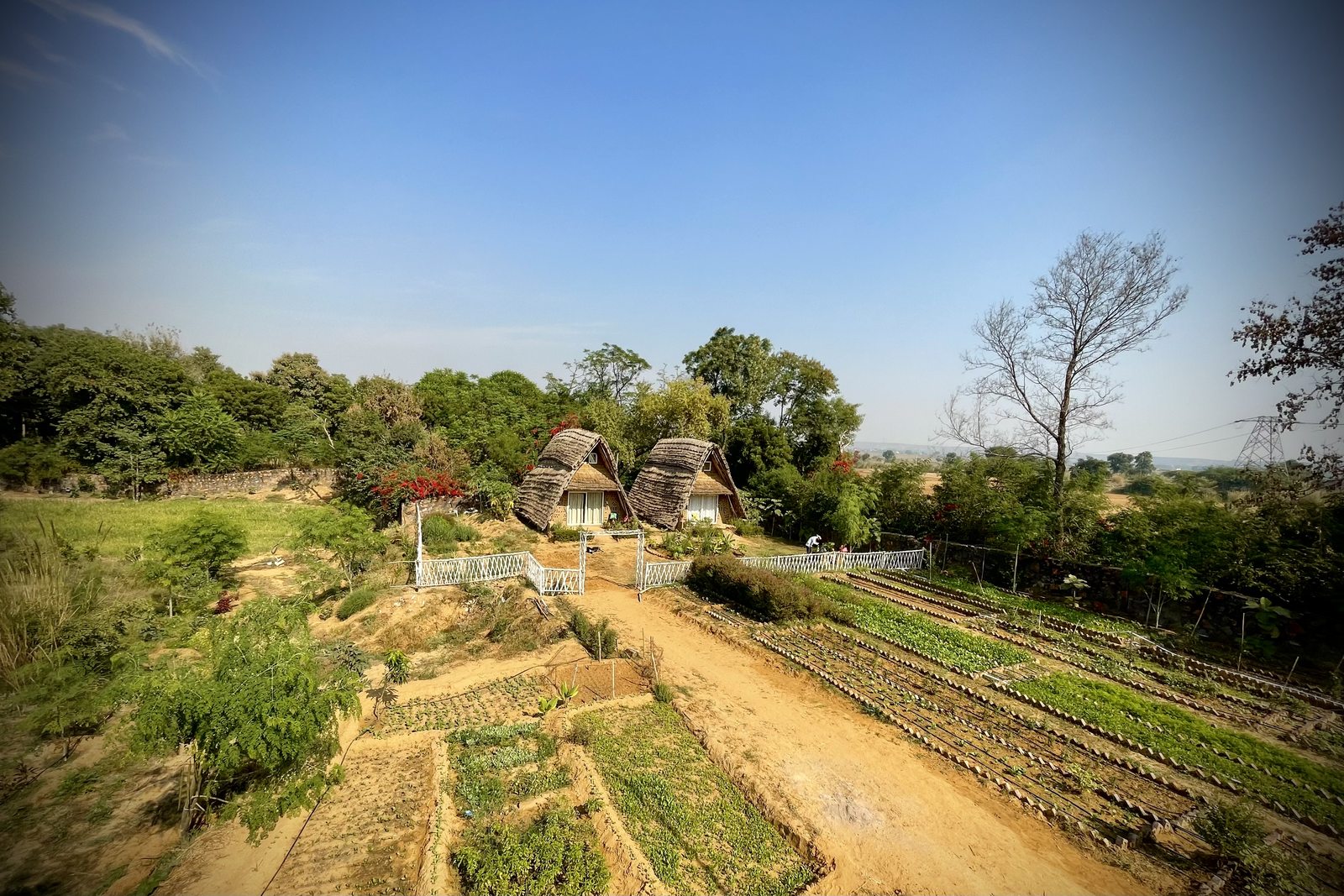
Not a block of one thing. Eleven fruit species, and the beds between them.
Somebody planted eleven species, not one
A block of one species is simpler to manage, simpler to harvest and simpler to sell. There are eleven fruit species in this orchard, which means eleven separate moments of attention and no single harvest week to organise labour around. It also means a failure takes one of eleven rather than all of it.
Why, not when
What five
acres is for
This land was bought with a single tree standing on it. More than five thousand grow on the five acres now. How that happened has its own page. What the place is for is a different question.
It is a working farm. Nothing on it was built to be looked at. The compost yard is where the compost is, and the mud houses are on the high ground because that is the high ground. It is also run by an organisation whose business is environmental work, on land that began as degraded ground ninety minutes from Delhi. So five acres is an argument as well as a farm: that this is possible at this size, on this soil, in this heat, and that you can come and look at how.
Find out what five acres can become, keep the books straight while finding out, and let other people watch.
“It's not a hotel, it's natural, it's rustic. It's a real farm.”
The only quotation on this site. We have no others, and nobody has written one on anybody's behalf.
Linked, not retold
And Swechha
स्वेच्छा की ज़मीन — खेत की अपनी पहचान
Swechha is an environmental NGO, and this is its land. The farm has its own name, its own site and its own way of talking, which is why you are reading this rather than a page about the organisation.
Swechha's own about page is the place for Swechha. Repeating it here would only give us two versions to keep in step.
What we will not write down until somebody has the documents
This is exactly where a wrong detail does damage, and a wrong legal name has already turned up elsewhere in our own pages.
These two stay here
Two things the farm
answers itself
Almost everything here hands you somewhere else. Staying goes to Airbnb, produce to the marketplace, schools to Swechha. Two do not. If you want to learn how this was done, or you have ground of your own, we take that ourselves. By email, slowly.
Practitioners
You want to learn how it works
Growers, students, people doing this on somebody else's land. This is a working farm and the answer depends on the week, so send us what you want to see and roughly when.
Other farm owners
You have ground of your own
The most useful conversation we have is with somebody holding degraded land and wondering whether it is worth it. Come and look at the contours, the zones and the compost yard, and ask what went wrong.
Write to the farm
One address, and it is the only contact here. There is no telephone number yet.
The rule, said once
How to read
these pages
Four shapes run through these pages, and they mean the same thing every time.
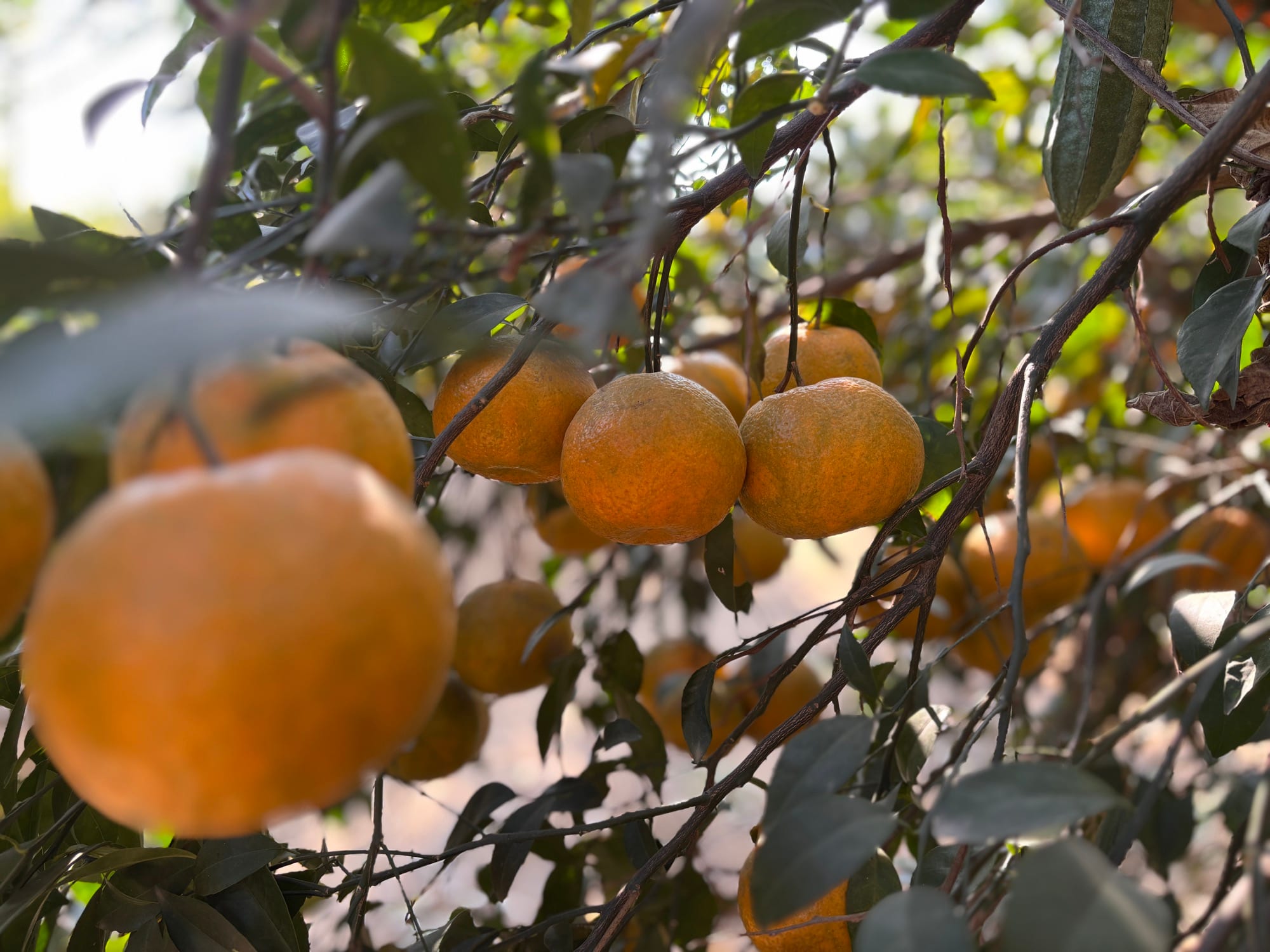 A photograph
A real photograph of this farm. Somebody stood there and took it.
We have no photograph of that thing. The square says what the missing picture would be.
Practical facts you can act on. Conditions, a calendar, a batch record.
Something we owe you and have not supplied. Never an estimate, never filled in to look complete.
And two rules behind them
The door
Better seen
than described
ख़ुद आकर देखिए
Five acres in the Aravallis, ninety minutes from Delhi, and better in the cool months. Write, and somebody answers.
The farm map The restoration story Stay in a mud house About Swechha