Arranged by month
Visiting the farm
When
to come
कब आना ठीक रहेगा
This page is arranged around the month. Four months of the year we can tell you exactly what you would be walking into.
Kinnow is ready in January. Eight or nine of the eleven fruit species flower between January and April, and the apiary that sits inside the citrus strip works that window. If you have no other constraint on when you travel, that is the answer.
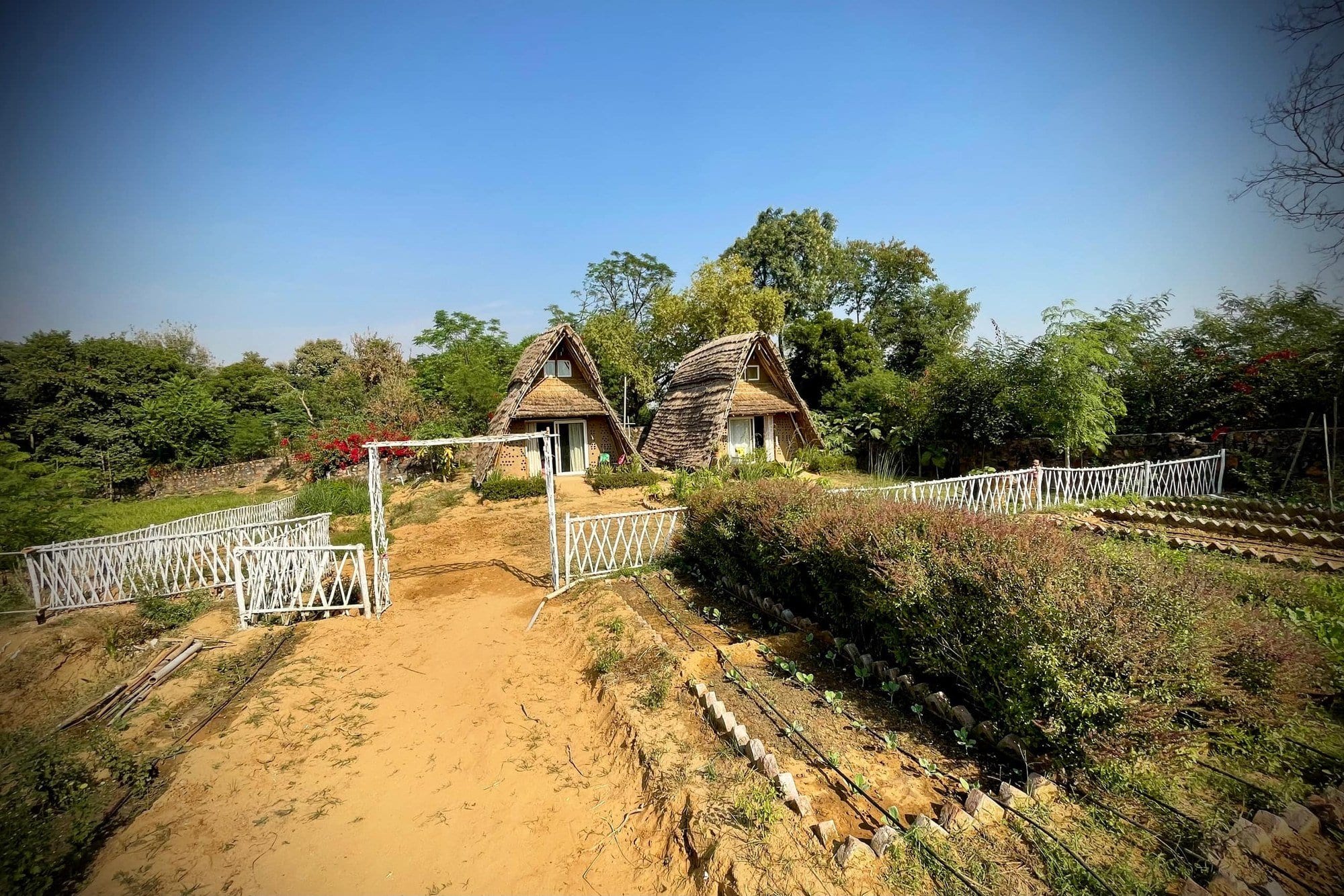
Four months written · eight not
The year
साल के बारह महीने — चार लिखे हुए
We keep a floral calendar with twelve rows in it. Four of them are written down. The other eight are left empty rather than filled with a plausible-sounding month. You might be booking a train on this.
-
Januaryजनवरी
Harvest and the first flowering, in the same month
Kinnow is ready. It is also when the orchard begins to flower, so one month holds a harvest and the opening of most of the rest. If you come once, come now. It is the only month where both are true.
-
Februaryफ़रवरी
The orchard in flower, and the bees working it
Eight or nine of the eleven species are open. The apiary sits inside the citrus strip, which is the shortest distance bees can be asked to work, so the noise you wake up to is not traffic. Ten colonies are alive across about fifty boxes.
-
Marchमार्च
Still in flower, and the month the farm cannot spray
You are inside the window where our own software will not clear a spray date it cannot square with the apiary record. It refuses rather than warns. A strange thing to offer as a reason to visit, admittedly.
-
Aprilअप्रैल
The window closes
The flowering runs out through this month. After April we have nothing written down. The farm does not stop. The writing does.
Mayमई
Not written down
Juneजून
Not written down
Julyजुलाई
Not written down
Augustअगस्त
Not written down
Septemberसितंबर
Not written down
Octoberअक्टूबर
Not written down
Novemberनवंबर
Not written down
Decemberदिसंबर
Not written down
Four of those eight months have been photographed, even though none of them has been written up
A photograph is evidence that something was happening, not a description of what it is like to be here. These are dated, they are this farm, and they are from months the calendar above leaves blank. We are putting them here rather than using them to pretend the rows are filled.
-
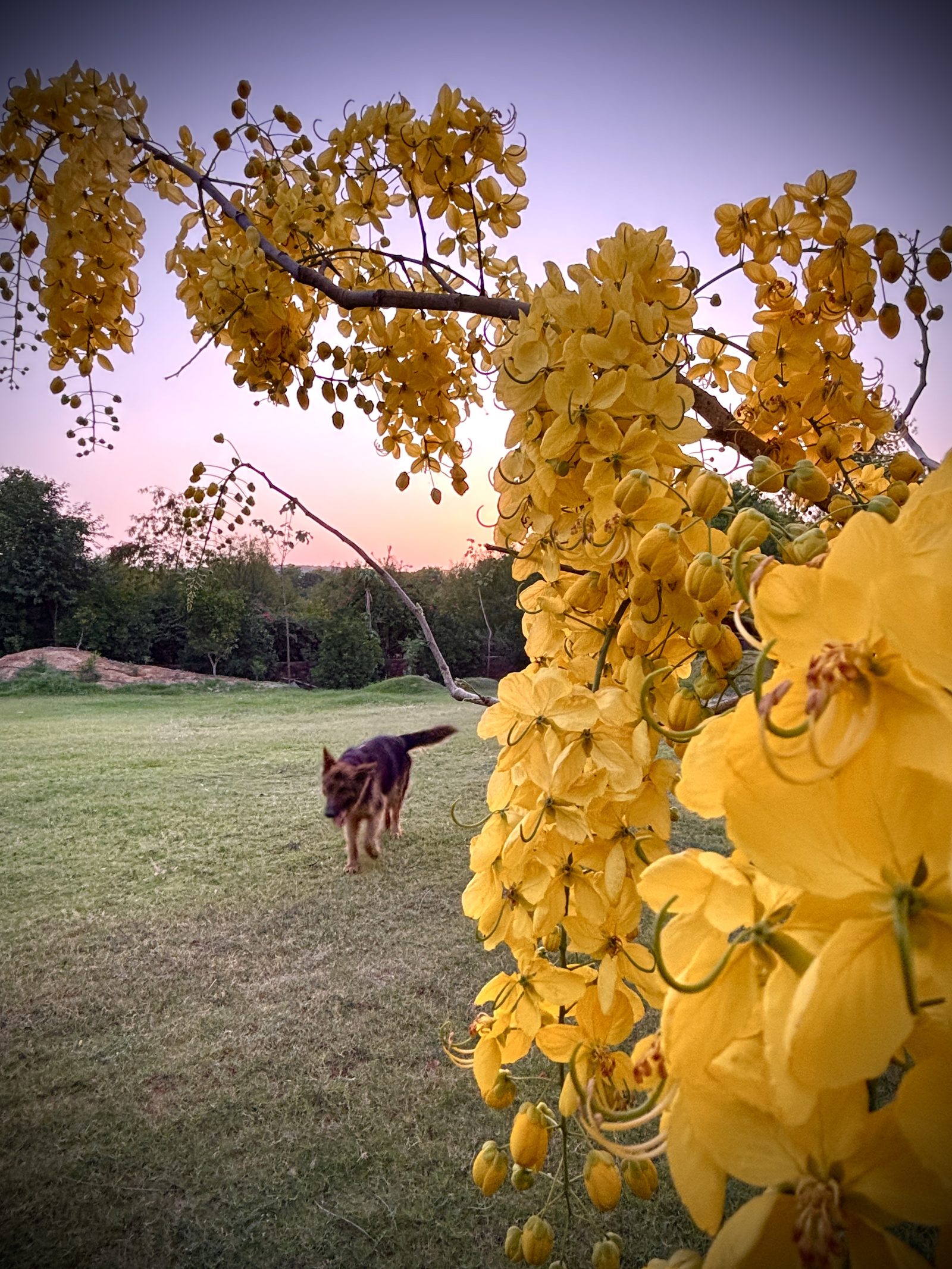
May · 27.5.2026
Amaltas over the lawn. The hottest month on the farm is also the one the flowering tree belongs to.
-
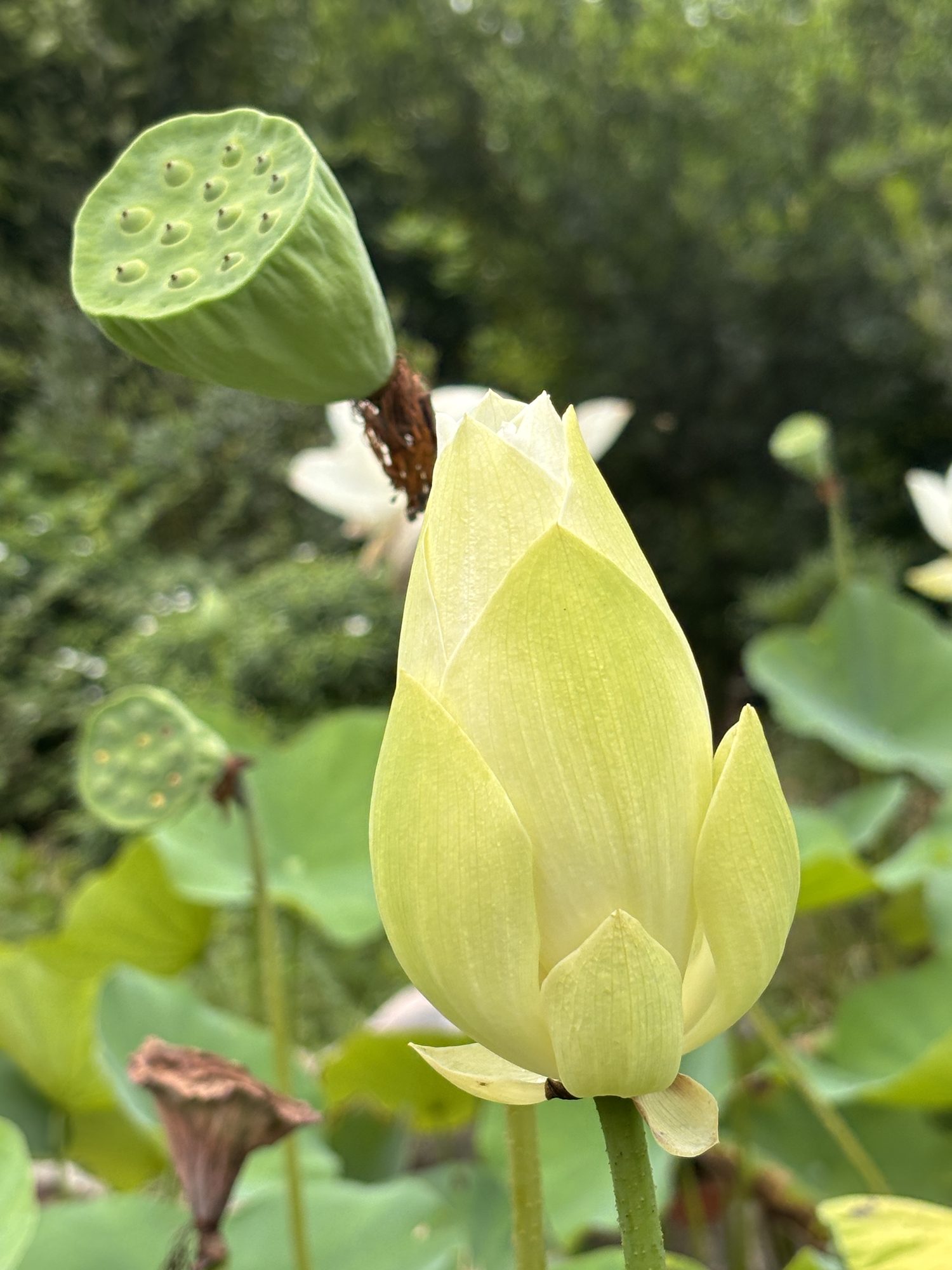
August · 11.8.2026
Lotus. August is the month the Stay page sends people away from, and this is also August.
-
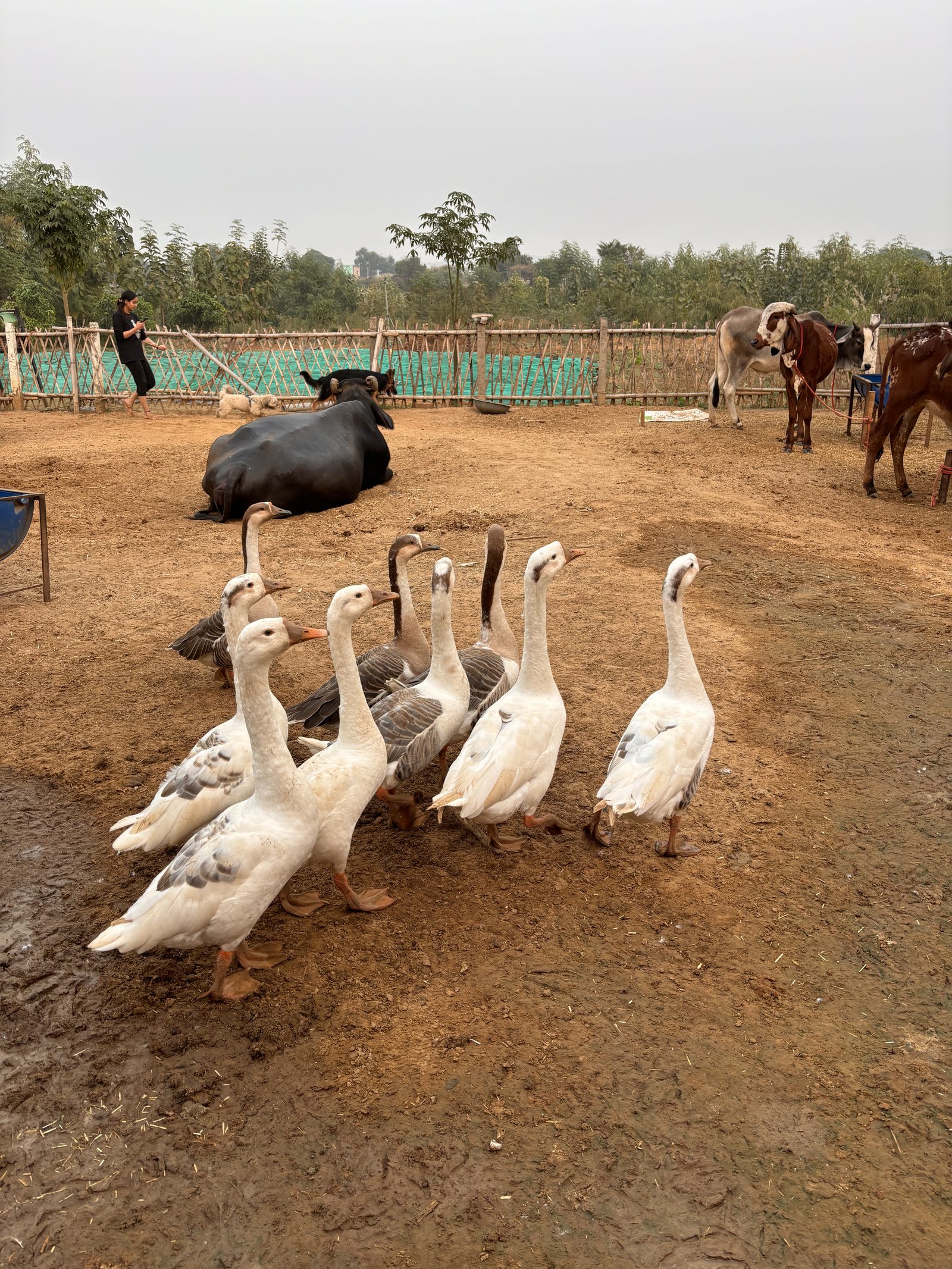
October · 11.10.2026
The geese out on open ground, which is what they do at the end of the day.
-
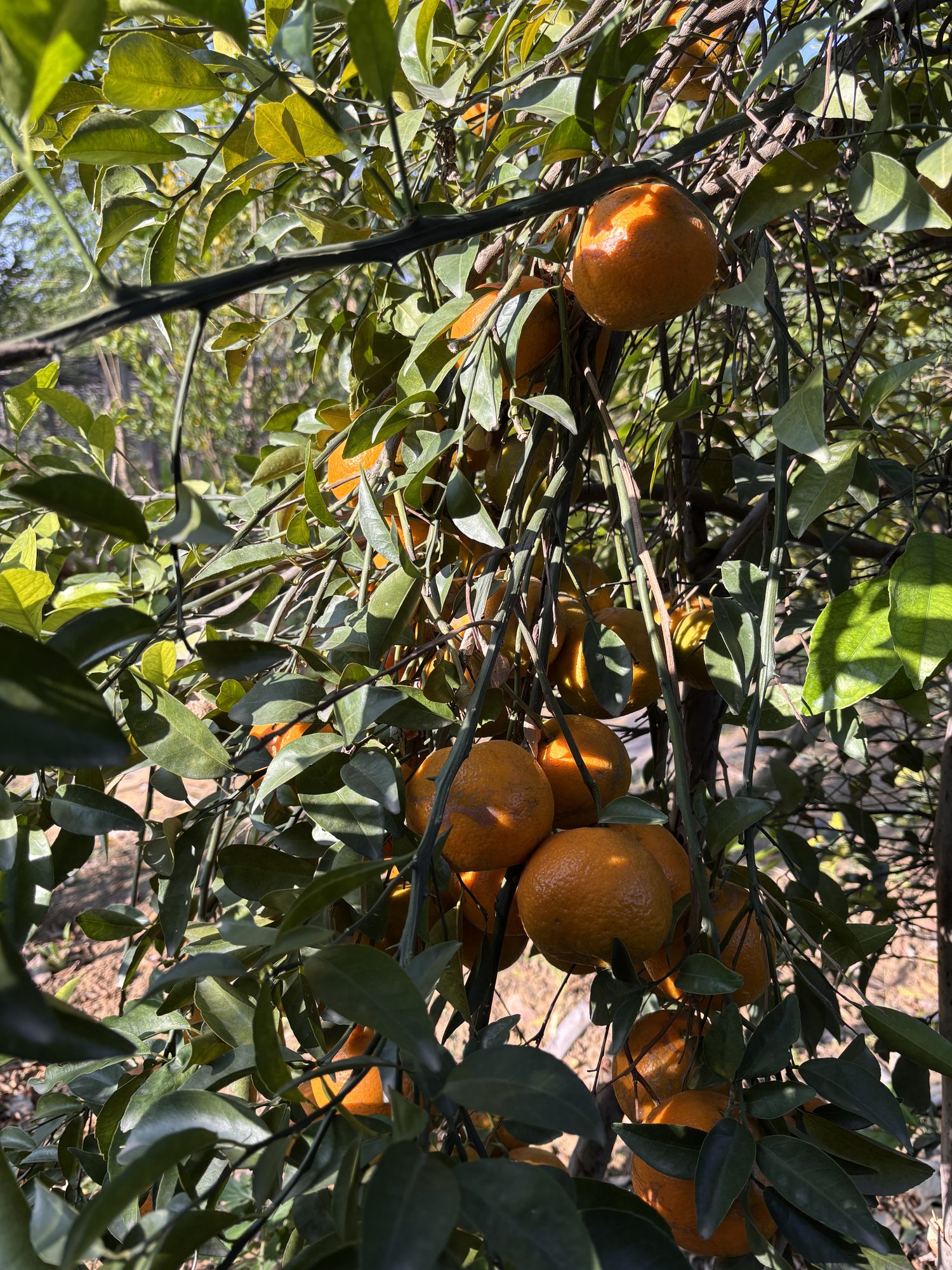
December · 11.12.2025
Kinnow colouring. January is written up because the fruit is ready; this is the month before.
Four photographs do not make four months. They do make the blank rows harder to defend, and that is the right pressure to be under.
Eight dashed rows is our calendar, drawn accurately. We know what happens in those months. Somebody is irrigating through all of them. But it sits in people's heads rather than on paper, and the moment we guess at one we are lying to somebody buying a train ticket.
Two things are true across the whole year. The cool months are the good months, and we have never pinned down which months we count as cool, so neither does this page. And summer here is the heat that collapsed the apiary.
Not written down yet The remaining eight rows of the floral calendar, and which months we mean by the cool months.
Two leave · two stay here
Four ways of
being here
What each one is for. Arrangements live on their own pages or in an email, and two of the four we answer ourselves.
-
A night, or several
The two mud houses sit on the high ground, the only part of the parcel from which you can see most of the farm at once. There is a camping site on the flatter ground below them. You wake up inside a working farm.
-
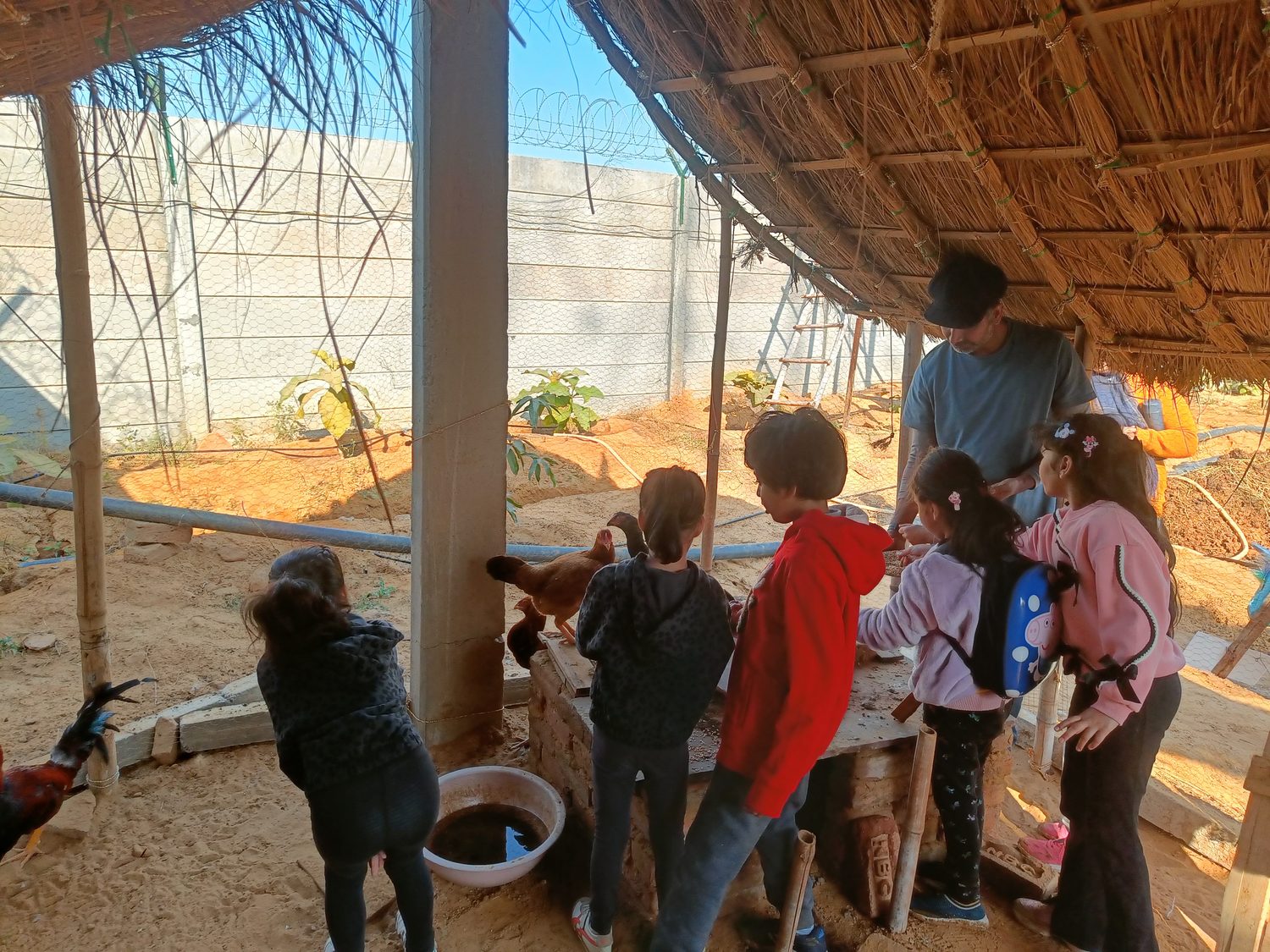
28 December 2022. The one visit whose parental permissions are on file.
A school group
Children in the beds rather than beside them. Twenty-four vermicompost beds and nine irrigation zones off one borewell make most of a day's teaching without a slide. A child can open a bed, follow one valve, and understand a closed loop by lunchtime.
-
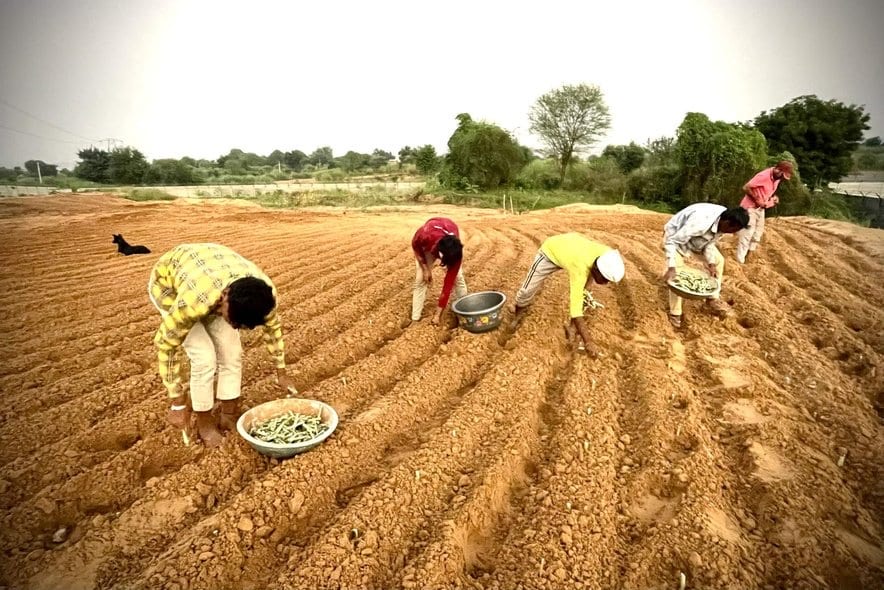
You want to learn how it works
Growers, students, people doing this on somebody else's land. We take this one ourselves, because the answer depends on the week. Say what you want to see and roughly when.
-
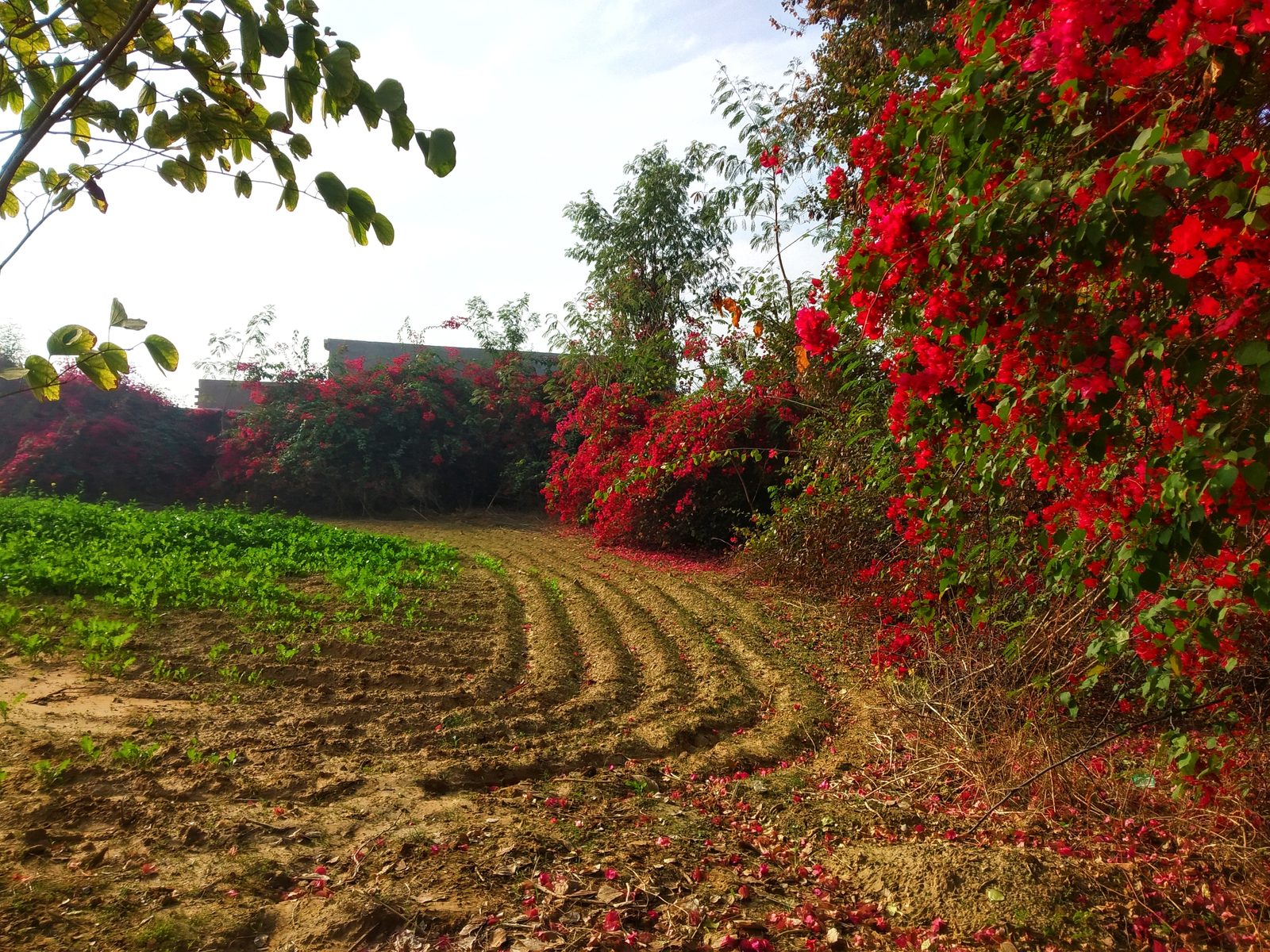
The contours, kept rather than levelled. Flat midday light. A grower would want this in low raking light, which we still have not taken.
You have ground of your own
The most useful conversation we have is with somebody holding degraded land and wondering whether it is worth it. Come and look at the contours that were kept rather than levelled, the nine zones and the compost yard. Then ask what went wrong.
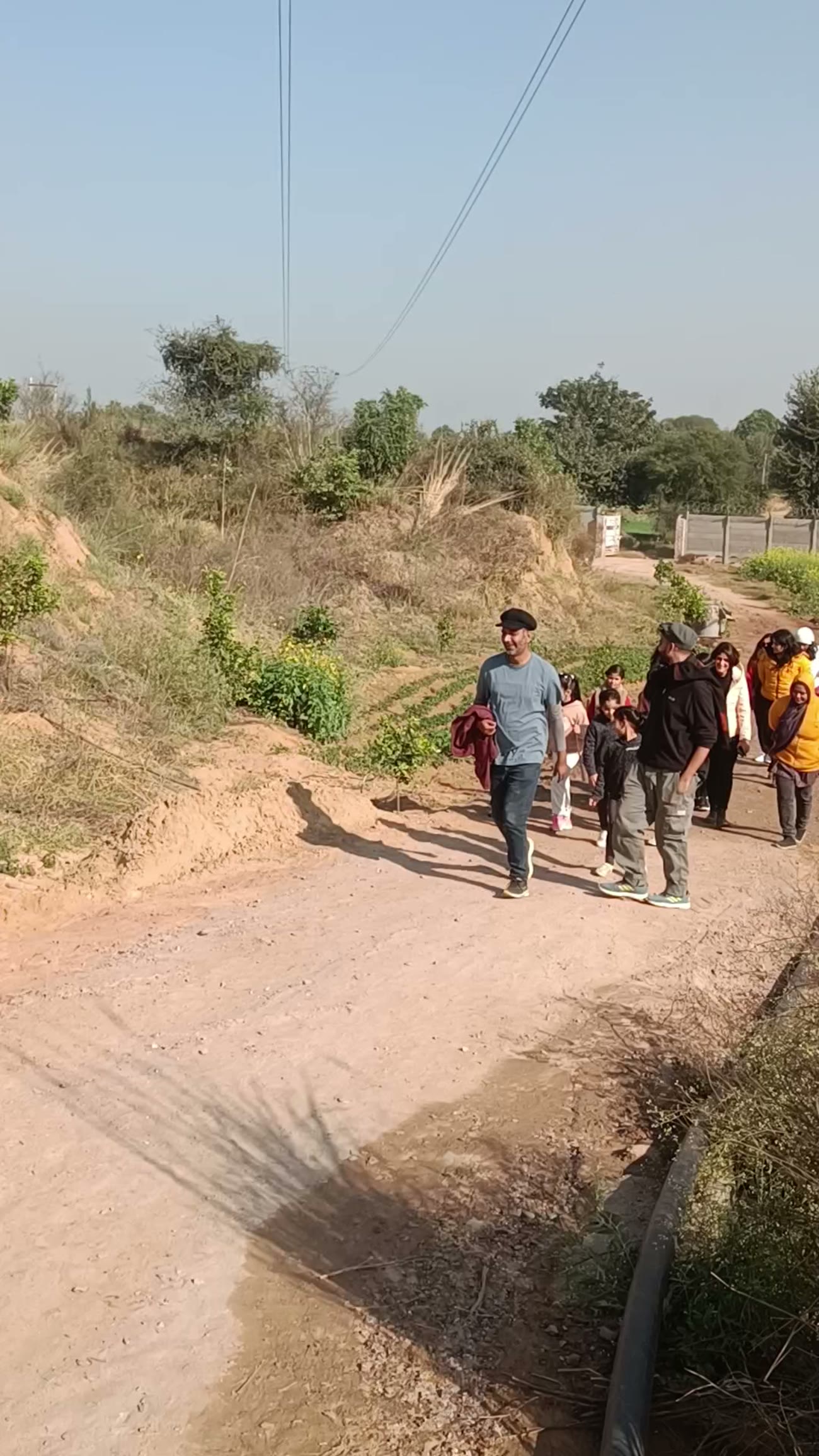
Arriving, on foot, up the sand track. December 2022. This is the last few hundred metres, and it is the bit nobody tells you about.
That is a school group, on the one visit whose permissions are on file. We have nothing equivalent for a family, a couple, or a practitioner walking in.
Said plainly
It is a farm,
and it is working
while you are here
Somebody will be irrigating at six in the morning whether or not you are awake, and nothing on these five acres was built to be looked at. The compost yard is where the compost is. The mud houses are on the rise because that is the high ground.
So it is not a venue. There are no weddings here, no function lawn and no restaurant, and nobody can be absorbed as a drop-in on the day. Every visit is arranged in advance, because somebody has to stop farm work to meet you.
That is not a policy invented for a website. It is what five acres can carry, and saying so saves two people a wasted journey.
“It's not a hotel, it's natural, it's rustic. It's a real farm.”
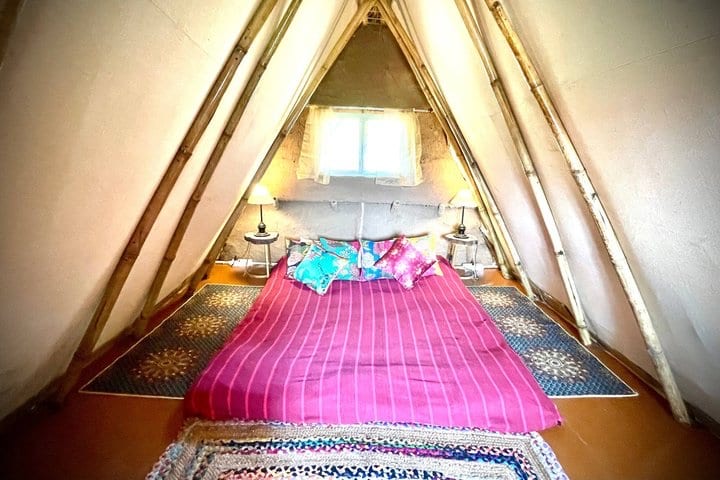
Inside one of the houses.
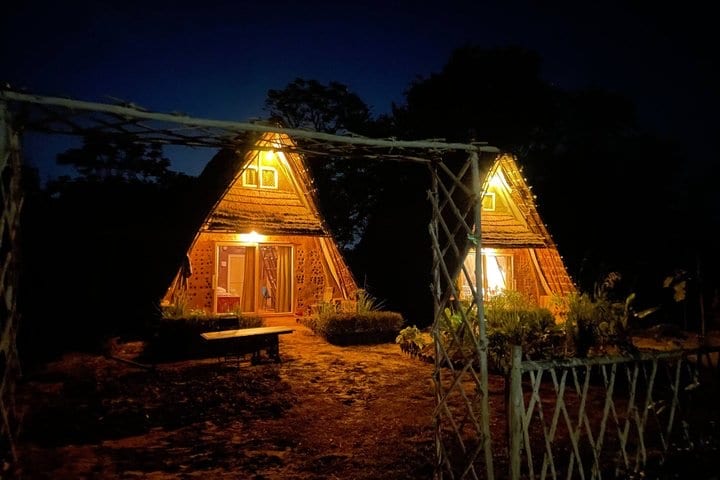
The same houses after dark. Power here is not reliable. This is what it looks like when it is working.
One fact · five questions
Getting here
What is verified
- Where
- Ladpuri, Khairthal-Tijara, Rajasthan — five acres in the Aravallis
- From Delhi
- About ninety minutes. It is the only travel time we have confirmed.
- The last stretch
- The track up to the rise is sand
What is not
We have not estimated any of this. Better to admit the last mile than invent it.
No photograph of the last mile
The sand track as a driver meets it, from the point where you decide what to do with the car. It is the thing people ask about most and we have no picture of it.
Mostly still unanswered
Everything you ask,
and we have not
yet answered
Every one of these is a real question somebody asks in their first email. They are decisions we have to make, not sentences a website can supply.
Ask the farm
Send the month you are thinking of, how many of you there are, and what you want to see. That is enough for a straight answer about whether that week works.
The door
January,
if you can
हो सके तो जनवरी में
Kinnow on the tree and the orchard opening, in the same four weeks. Ninety minutes from Delhi, and arranged in advance because somebody has to stop work to meet you.